Ops and process diagnosis
Before any tool gets touched. I map what actually happens today — who does what, where it waits, where it breaks — until the problem stops being vague and becomes solvable.
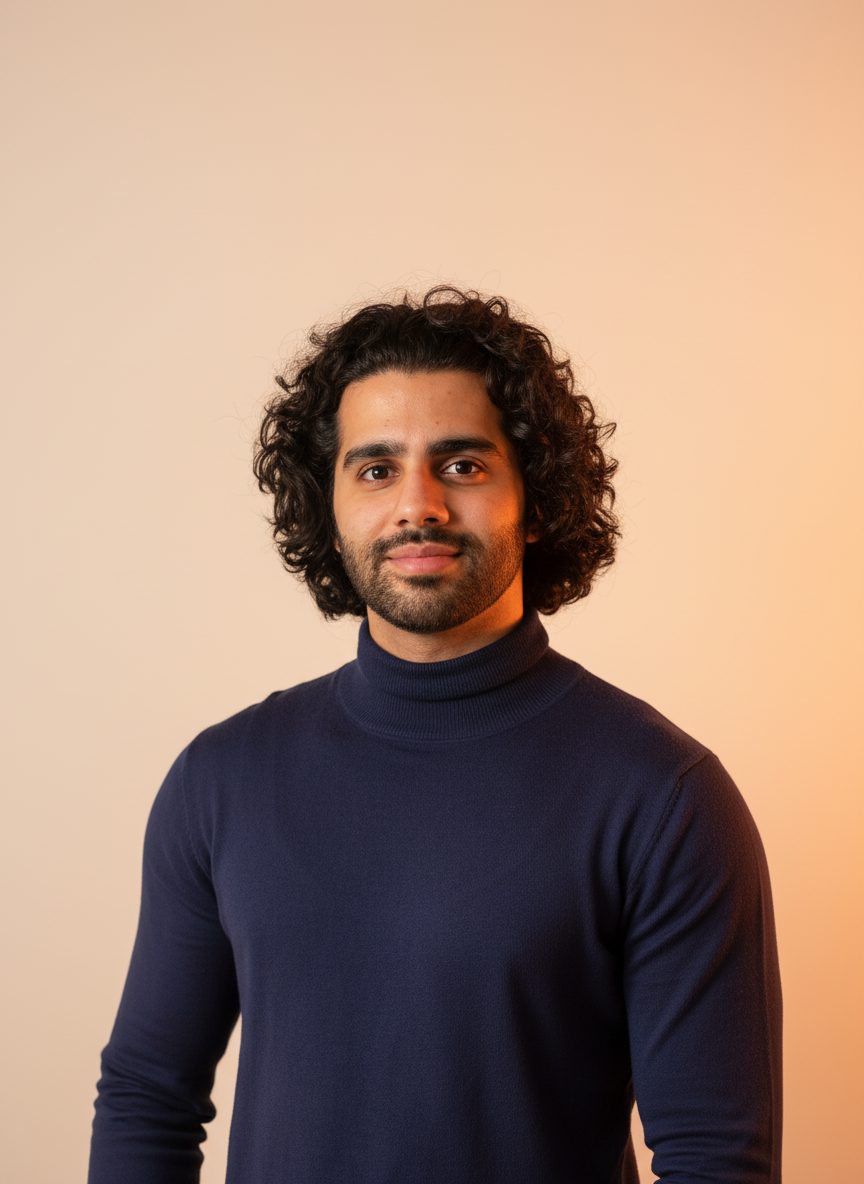
Hi, I'm Riz.
AI scales whatever you feed it: messy input, messy output. I come in before the build, not after it breaks.



Before any tool gets touched. I map what actually happens today — who does what, where it waits, where it breaks — until the problem stops being vague and becomes solvable.
An honest read on what is ready to automate and what is not. Most failed automation was never a tool problem.
The repetitive work out of your week. Intake, onboarding, notifications, follow-up — running without anyone remembering to run them.
Systems that handle first responses, triage what comes in and keep things moving when nobody is watching. Built on the Claude and OpenAI APIs directly, not on a no-code wrapper.
A pipeline that matches how you actually sell. Real stages, follow-up that fires itself, and visibility on what is stuck.
Hands-on, on your actual work. People leave having built something that runs.
Ten years running operations inside companies that were scaling fast. Same job I'd do in yours, at a smaller size.
Insurance client cases with Product, Support and Content, solving2,000+casesEmergency dispatch time, cut from 3 minutes to20s A certified ELD product, taken intoCanadaCourier costs cut from 21% to 14% of GMV, saving$3.9MReconciliation moved to straight-through matching at92%
 Lydia, an AI coaching platform, taken from0 → 1
I don't just build the machines. I talk about them too. Stand-up, breakdowns, the podcast. There's a human behind the automations.
We get clear on the problem before anything gets built. One-off sessions, or an ongoing retainer.
Custom AI automations, end to end, on n8n and the Claude API. Delivered through Soch.
Talks and hands-on workshops on AI in operations. Teams leave having built something that runs.
Just want to learn? I write about automation and AI every week, from the actual work. Start reading →
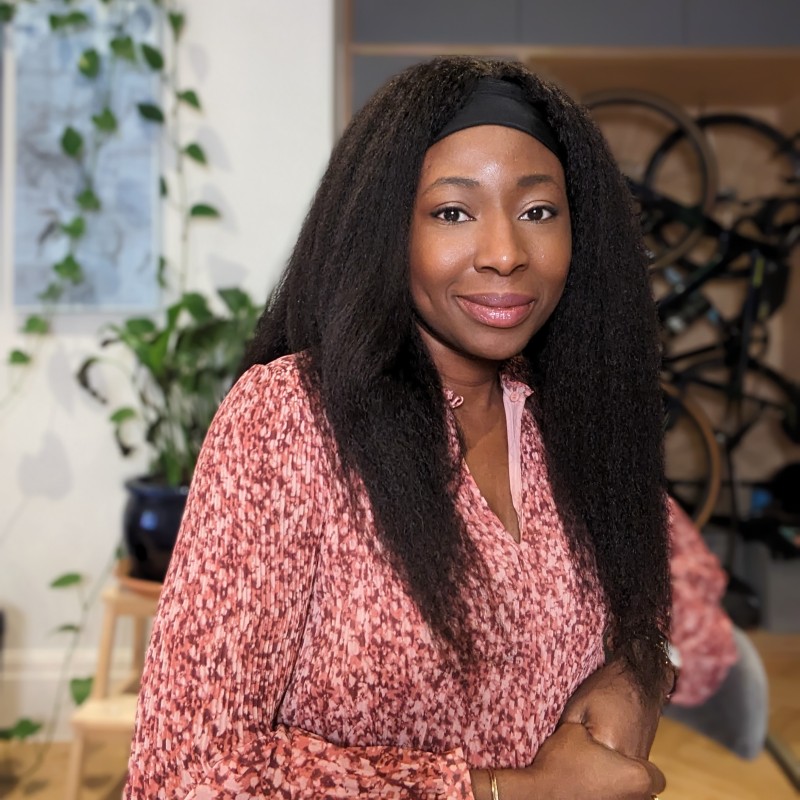
Biola Babawale, Cycle Together
Sport, Wellness & Community
“Riz has completely transformed the way I look at my business and how we operate day-to-day. He brought in a level of structure, clarity, and confidence that I didn’t realize we were missing.”