AI Pilot to Production: Why Pilots Stall and What Fixes It

An AI pilot can work exactly as intended and still never make it into production.
The model performs well in a demo. The team sees potential. Then the project stalls. Nobody has defined who owns the workflow, what happens when the system gets something wrong, or how the team will decide whether it's worth scaling.
This is where the gap between a successful pilot and a working production system often begins. The challenge isn't just getting the model to work. It's building a process around it that people can rely on.
For a 20-person team, that doesn't have to mean a new platform, a governance board, or months of planning. It starts with documenting the process, assigning ownership, and agreeing on what success looks like before the pilot begins.
Why do most AI pilots never reach production?
A pilot tests whether a tool can do a task. Production needs a defined process around that task, a named owner, and a way to prove the value. Most pilots have the first and none of the rest, so they stay in what people call pilot purgatory.
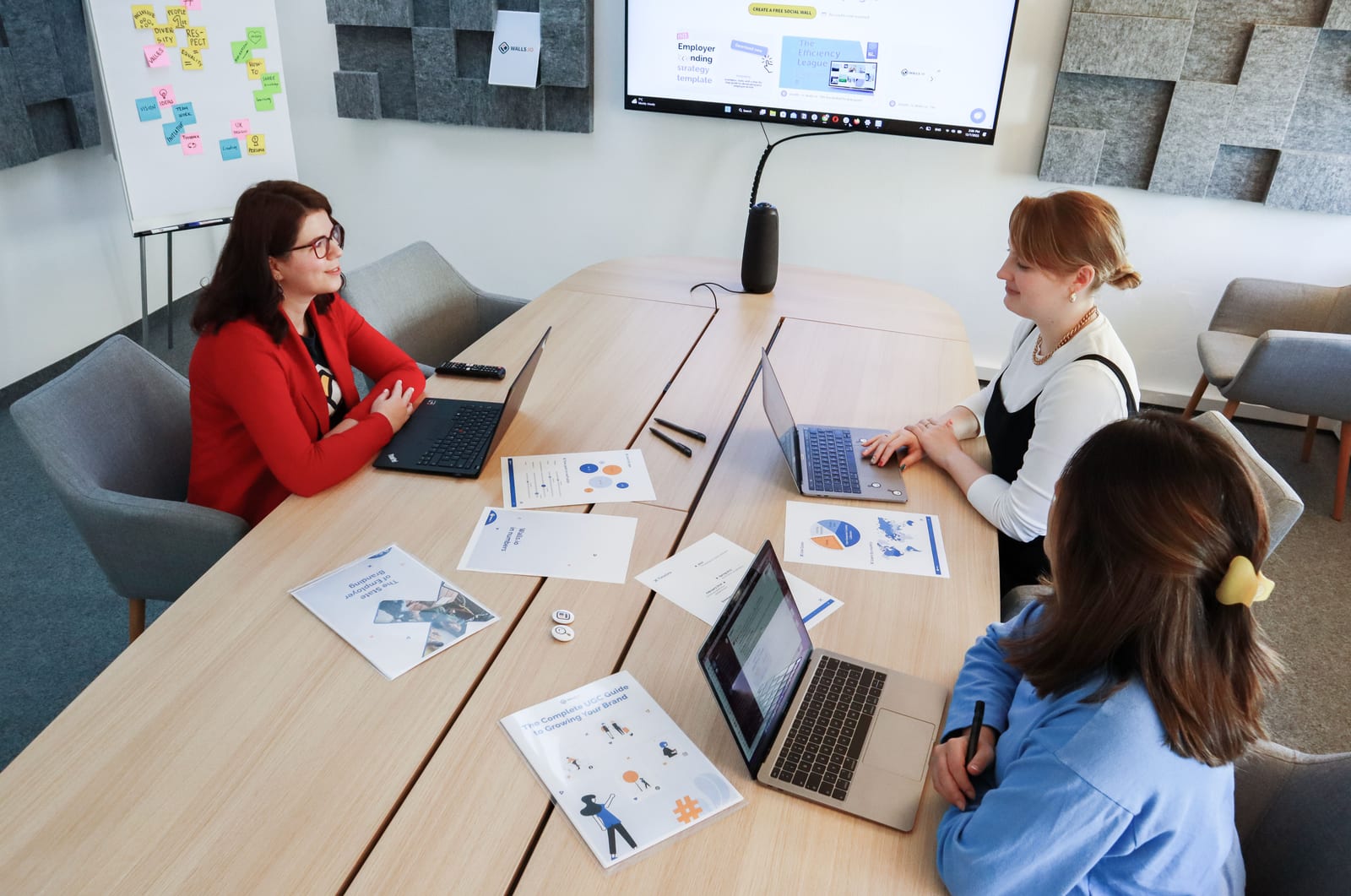
A pilot can impress a room and still leave nobody owning the process behind it.
The numbers are not kind. S&P Global data shows the share of companies abandoning most of their AI initiatives rose from 17% to 42% year over year, and the average organization scrapped 46% of projects between proof of concept and broad adoption. MIT NANDA's 2025 report found only 5% of the enterprise-grade generative AI systems it evaluated reached production, and pointed to workflow integration and fit with daily operations as major barriers.
That reads like a process problem to me. I spent ten years in operations at Careem, Bolt and Wise, and the pattern was familiar long before AI: a clever thing gets built on top of work nobody had described. You can read more about where I learned this.
What does a pilot actually test, and what does it skip?
A pilot is a controlled experiment with clean data, a dedicated team, limited scope and minimal integration requirements. That is a fair description of the setup, and it is exactly why the result does not transfer. Deloitte's work on moving from AI pilots to production makes the same distinction.
Production is the opposite. The data is messy, the users are busy and unforgiving, and the tool now touches systems that other people depend on.
So the useful questions are not architectural. They are the ones an ops manager would ask on day one:
- Who owns it. When it breaks at 4 p.m. on a Friday, whose problem is it?
- What happens when it is wrong. If it updates the wrong record, who notices, and how do you undo it?
- Where the edge cases go. The pilot skipped the odd requests. Production will not.
- Who does the handoff. Somewhere a human takes over, and that point needs a name and a rule.
If you cannot answer these on paper, the pilot has not tested your process. It has tested the tool.
What should be written down before the pilot starts?
Automation amplifies whatever thinking is already there. A clear process runs faster. A muddled one fails faster, and with more confidence.

One page covering the steps, the owner and the stop rule is enough to start.
Before any pilot, write four things down. This is the pre-flight list, and it is the work I do first in process diagnosis before anything gets built.
- The process map. Each step, who does it, where it waits, and where exceptions go. One page is enough.
- The baseline. How long the work takes and how often it goes wrong today, measured before the pilot starts.
- The named owner. One person accountable for the workflow, not the tool, and not a committee.
- The scale-or-stop rule. What result, over what period, means you roll it out, and what means you stop. Agree it in advance.
The baseline matters more than people expect. Without a pre-launch baseline and a defined scaling decision, teams often finish with usage data and positive feedback but no defensible evidence of business value. People liked it. Nobody can say whether it helped.
How do you decide to scale, fix or stop?
You decide by reading the result against the rule you wrote before you started. That is the whole trick, and it removes the argument. Larridin's piece on measuring a pilot before it launches makes a similar case for setting the measures up front.
Stopping a pilot is a success when the rule says stop. You spent a small amount to learn that this process, with this tool, does not pay. That is far cheaper than the slow version, where an unloved pilot lingers for a year because nobody is allowed to call it.
The other outcomes are narrower than people think. Scale means the numbers beat the baseline and the owner is ready. Fix means the numbers are close and you can name the specific cause. If you cannot name it, that is a stop.
When you scale, scale narrow. A shipped system that handles one workflow well beats a perfect one that covers everything and never goes live. Extend it after it has run. I have written up how I've worked on these problems in practice.
What changes once it is live?
The unglamorous work begins. Netwoven lists five things that must mature around the model: measurable business value, fit with human workflows, reliable data, continuous evaluation, and clear operational ownership. Most of those are routine upkeep, not engineering feats.
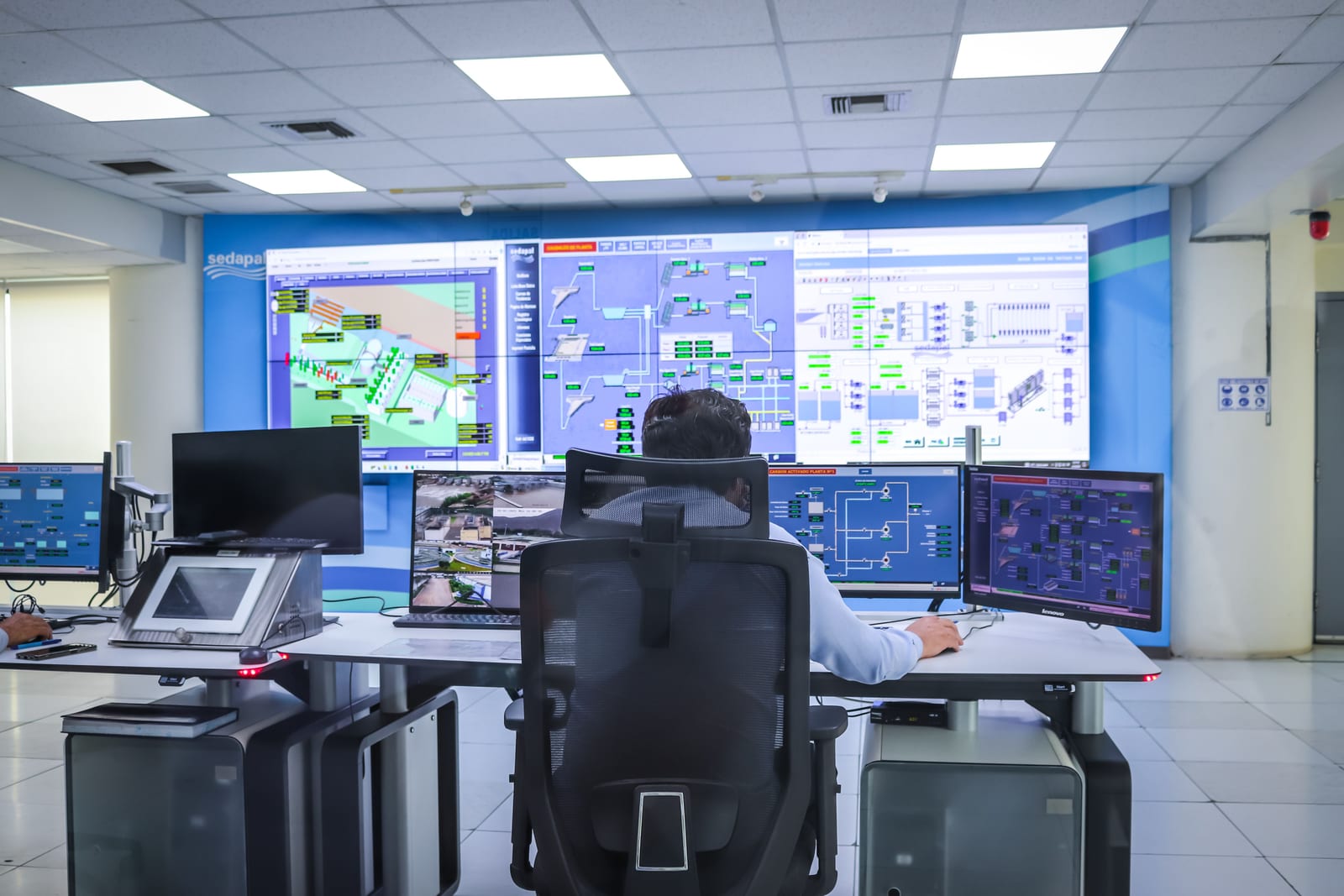
Once it is live, the real work is sampling output and handling the exceptions.
In practice that means three habits:
- Keep checking the output. Sample it on a schedule against the baseline. Quality drifts quietly.
- Control changes. When a prompt, a data source or a form field changes, someone reviews it before it reaches the live process.
- Staff the exceptions. A human-in-the-loop step only works if a named person handles what the system cannot.
The test of a good system is what it does to the people around it. It should leave them more useful, doing the judgment work, not watching a screen. That is also how I approach building and handing over the automation: the owner should be able to run it without me.
FAQ
What is the difference between an AI pilot and production?
A pilot is a controlled test with clean data, a small team and limited integration. Production runs on real data, real permissions and real exceptions, with a named owner, ongoing checks and a defined process for when the system is wrong.
How long should an AI pilot run before you scale it?
Long enough to hit the decision rule you wrote beforehand, and no longer. The research gives no standard length, so set the period against your baseline and your process cycle, then decide to scale, fix or stop.
What does it take to move an AI pilot into production?
A written process, a baseline, one named owner and a scale-or-stop rule agreed up front. After that comes a narrow first rollout, regular evaluation, change control and a person who handles exceptions.
Write it down this week
The gap between pilot and production is the process, the owner and the rule, not the model. Write those down before the next pilot, or before you decide the current one's fate.
If you have a pilot that worked and no route forward, book a 60-minute clarity session and we will work out whether to scale, fix or stop it.